The Hidden Cost of Switching Shopify Page Builders
Installing a page builder can take minutes. Leaving one can take days. What 71 lock-in and migration complaints reveal about switching risk.

mentioned migration, uninstall, or lock-in
negative reviews from 1+ year users
to install vs days to leave safely
On this page
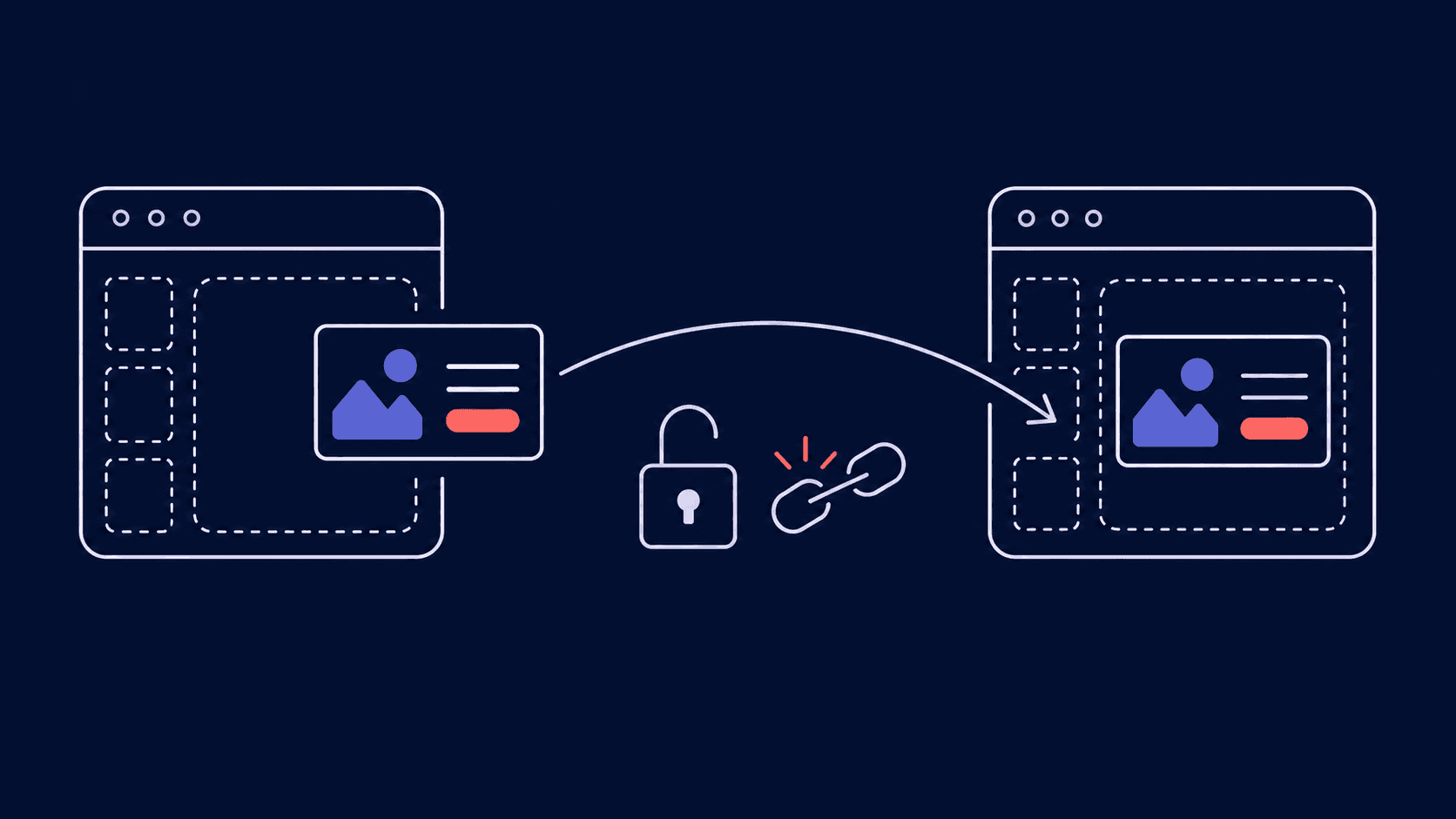
Installing a Shopify page builder can take minutes. Leaving one can take days.
That imbalance appeared repeatedly when I analyzed 367 ,, and reviews across 10 Shopify page builders on the Shopify App Store. Seventy-one reviews (19.3% of the sample) mentioned migration, uninstallation, data loss, or some form of lock-in.
This does not mean one in five page-builder users will have migration trouble. The dataset contains only low-rated reviews. What it reveals is the shape of the risk: when switching goes badly, merchants tend to encounter the same problems.
For the full complaint breakdown across support, bugs, usability, and pricing, see I Analyzed 367 Negative Reviews of Shopify Page Builders.
Why page-builder lock-in happens
A page builder is not merely an editor. It may also control the structure of a page, store templates in its own system, add assets to the theme, connect to third-party apps, and determine how the published page is rendered.
The longer a merchant uses it, the more business infrastructure can accumulate around it:
- landing pages used by paid campaigns;
- product pages connected to reviews, subscriptions, or upsells;
- seasonal pages that will be reused later;
- custom sections built for the brand;
- internal workflows understood by the team.
Switching therefore means more than learning a new interface. It can mean rebuilding business-critical pages while keeping the live store stable.
Risk 1: Removing the app does not always remove its footprint
Some reviewers reported finding code, files, or assets left in their theme after uninstalling. Others said the storefront behaved differently after removal and required technical cleanup.
For a nontechnical merchant, this creates an uncomfortable situation. The app is gone, but its effects may not be. The merchant must either diagnose unfamiliar theme code or pay someone else to do it.
Before uninstalling a builder, ask:
- Does the app provide an automated cleanup process?
- Which theme files or assets does it add?
- Are any changes made outside the active theme?
- Is there a manual cleanup guide?
- Can support verify that removal is complete?
Make a theme backup before testing the uninstall process.
Risk 2: The published page may depend on the subscription
Merchants sometimes assume that a page they have already built will continue working after they stop paying. That is not always guaranteed.
Depending on how a builder publishes content, cancelling or uninstalling may affect editing access, hosting, app-powered elements, or the entire page. Even when a static version remains, future changes may require reinstalling the app or rebuilding elsewhere.
The important question is not only "Can I export this page?" It is:
What exactly remains functional after I cancel, and what will I still be able to edit?
Get a clear answer before the page becomes a major source of revenue.
Risk 3: Theme updates can expose hidden dependencies
Several low-rated reviews described problems appearing after a theme change or update rather than during the initial build.
That delay makes the dependency easy to miss. A page can work for months and then lose images, layout behavior, or integrations when the surrounding theme changes.
Before updating a theme:
- Duplicate the current theme.
- Test the builder's key pages in the duplicate.
- Check desktop and mobile layouts.
- Test navigation, forms, product options, checkout links, and third-party widgets.
- Publish only after the critical paths work.
The same process is useful when switching builders. Rebuild and test in a non-live theme first whenever possible.
Risk 4: Sunk work makes a mediocre tool expensive to leave
The dataset included 105 negative reviews from merchants with at least one year of listed app tenure. These are not all failed trials. Some are users who built enough pages that leaving became a serious project.
This is where subscription price and migration risk intersect. A price increase may seem unreasonable, but rebuilding dozens of pages may cost even more in time, developer fees, and lost momentum.
That is real lock-in, even if no contract technically prevents the merchant from leaving.
A safer way to switch page builders
Inventory what you have
List every page built with the current app. Mark which pages receive traffic, generate revenue, contain custom code, or depend on other apps.
Start with one representative page
Choose a page that includes the components and integrations you commonly use. Rebuild it in the new tool before committing to a full migration.
Preserve content separately
Save copy, images, links, SEO metadata, scripts, and screenshots outside the existing builder. A visual reference is especially useful when two builders structure layouts differently.
Run both systems briefly
When the apps can safely coexist, migrate in stages. Move low-risk pages first, then business-critical pages after the workflow is proven.
Define the rollback plan
Know how to restore the previous theme or page if the migration causes a problem.
Uninstall only after verification
Check analytics, search indexing, forms, links, mobile layouts, and integrations before removing the old app.
The right to leave should be part of the product
Page builders understandably want merchants to stay. But retention created by fear is not healthy retention.
A merchant should remain because the builder continues to provide value, not because uninstalling might damage the store or erase years of work.
For page-builder companies, a trustworthy exit experience means:
- clearly documenting what happens after cancellation;
- minimizing theme residue;
- preserving merchant-owned content where technically possible;
- providing export, backup, or handoff options;
- helping merchants remove the app safely.
For merchants, the best time to investigate those details is before building the first page.
I am using these findings as input while building PageFusion. Visual page building should reduce a merchant's dependence on developers, not create a new dependency that becomes painful to escape.
About this researchMethodology
- Figures come from the same 367 low-rated review sample as the companion research article.
- Source reviews are public Shopify App Store listings; see that article for the full methodology.
- Percentages describe how often a theme appeared in unhappy reviews, not how often all users encounter it.
- The data does not rank page builders against each other.